
In the competitive landscape of business ownership, the choice between digital printing vs traditional printing methods plays a pivotal role in defining success. Between 2022 to 2027, the analogue printing industry’s growth rate is expected to be 0.8%, compared to 5.7% for the digital printing industry. Statistic shows that people are more interested in digital printing than traditional printing. However, this doesn’t mean digital is always the best choice; each project has its own needs to consider.
This guide compares digital and traditional printing, focusing on what’s important for small businesses: cost, quality, and being eco-friendly. Also the advantages and drawback of each technique.
Understanding digital and traditional printing is key for business owners. It’s not just about making prints look good; it’s about choosing what’s best for your business goals. This guide is helpful for everyone, whether you’re experienced or new to printing.
We’ll show you how to use each printing method in the best way for your business. Our goal is to help you find a balance between keeping costs low and giving your customers the high-quality prints they expect.
We also focus on being kind to the environment. This guide doesn’t just give you information; it helps you make smart choices for growing your business and being eco-friendly in the printing world. Let’s start this journey and see how printing can work best for you.
Understanding Digital and Traditional Printing
Defining the Methods:
Digital Printing: This is a modern printing technique where your digital images are directly printed onto a variety of media. Think of it as the sophisticated, high-tech cousin of your home printer, but much more powerful.
Printing: This method includes older techniques like offset printing. It involves transferring ink from plates to rubber rolls, then onto the printing surface. It’s like the classic artist who uses time-honoured methods to create masterpieces.
How They Work:
Digital Printing: Here, you simply send your digital file to the printer, and it uses inkjet or laser technology to create your image on paper, canvas, or other materials. It’s quick, efficient, and excellent for small to medium-sized jobs.
Traditional Printing: This method requires creating plates for each colour used in your print job. It’s more labour-intensive and often used for very high-volume printing, like newspapers.
Latest Trends:
In digital printing, the newest trends include advancements in ink technology, allowing for more vibrant colours and longer-lasting prints. Printers are also becoming faster and more energy-efficient.
Traditional printing isn’t being left behind. It’s seeing innovations in plate technology, making it quicker to set up and more precise, which is great for detailed work.
Digital Printing vs Traditional Printing
Digital and traditional printing methods each offer unique advantages, tailored to different needs and scales of operation. When exploring the advantages of digital printing and traditional printing, it’s important to consider their impact on cost, efficiency, quality, and environmental sustainability.
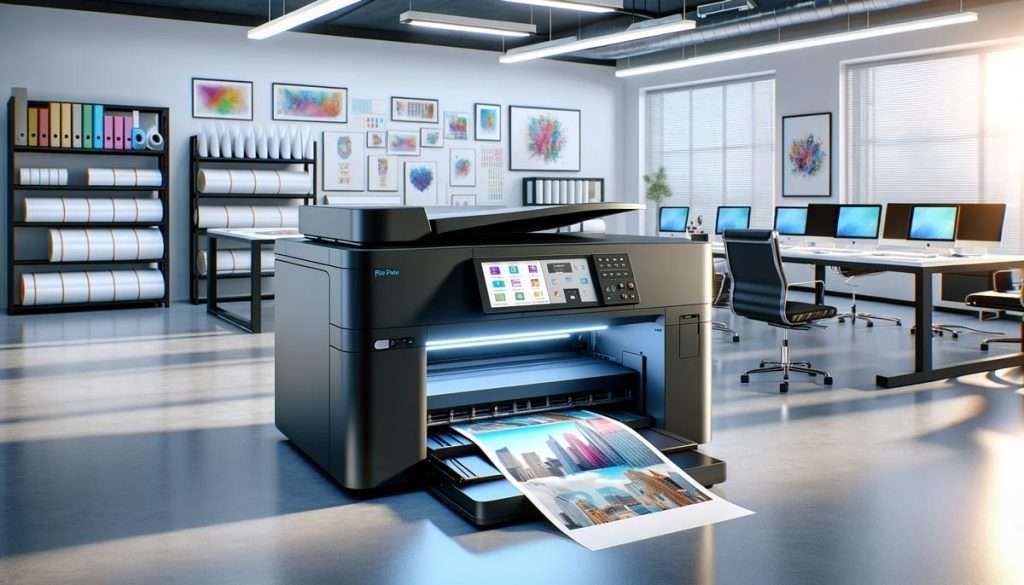
Advantages of Digital Printing:
Cost-Effective for Small Scales: Digital printing requires a lower initial investment, making it more affordable for small-scale operations. This is a significant digital printing benefit for startups or small businesses.
Consistent Running Costs: The costs per print in digital printing are relatively constant, which includes expenses for ink, paper, and electricity. This predictability is advantageous for budgeting.
Labour Efficiency: Less labour-intensive than traditional methods, digital printing requires minimal setup and can be operated by fewer people. This reduces the overall cost of labour.
Fast Turnaround Time: Digital printing offers faster turnaround times, making it suitable for quick deliveries and short runs. This responsiveness is a key digital printing benefit in today’s fast-paced market.
Flexibility and Customization: High flexibility and easy customization without additional costs are hallmarks of digital printing. This allows for a wide range of creative applications, from personalised marketing materials to bespoke designs.
Quality of Output: Digital printing has advanced in quality, offering sharp images and a wide colour spectrum. It’s ideal for projects requiring detailed images and a wide range of colours, such as photographs and complex graphics.
Environmental Sustainability: Digital printing is more eco-friendly, reducing waste and energy consumption. The use of eco-friendly inks, like soy or vegetable-based ones, further lessens environmental harm.
Drawbacks of Digital Printing:
Limited Size and Material Options: Digital printing can be limited in terms of the size of prints and the types of materials it can work with. This can be a constraint for projects requiring very large formats or specialised materials.
Quality Limitations in Some Aspects: While digital printing offers excellent quality for many applications, it may fall short in achieving the depth of colour and texture that some traditional methods offer. This can be a significant factor for projects where these qualities are paramount.
Higher Cost per Unit for Large Runs: For large-scale print runs, digital printing can be more expensive per unit compared to traditional printing. This can make it less cost-effective for high-volume printing needs.
Durability Issues: In some cases, prints from digital printers may not be as durable or long-lasting as those produced by traditional methods, especially when exposed to certain environmental conditions.
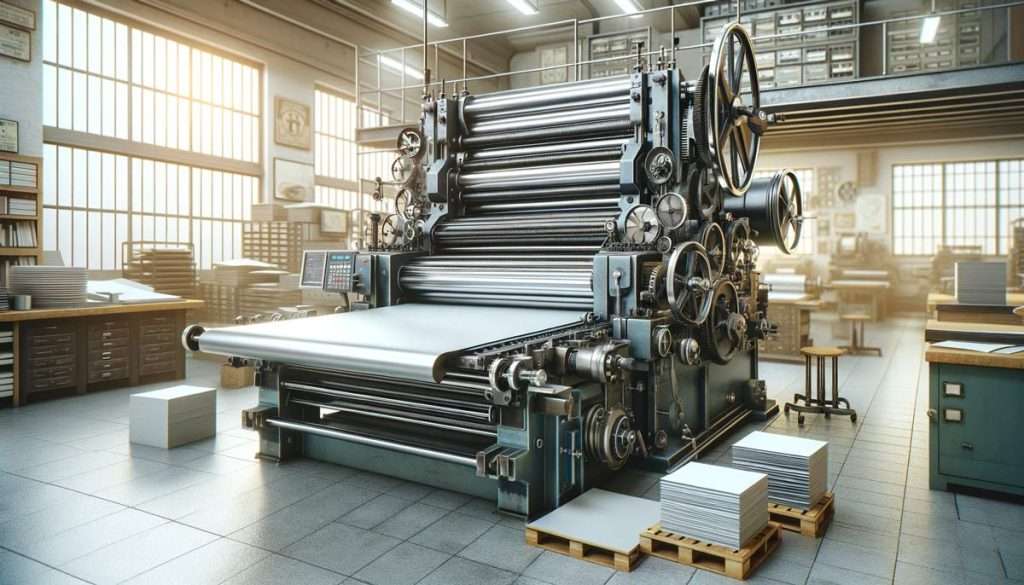
Advantages of Traditional Printing:
Economies of Scale: For large runs, traditional printing methods like offset printing offer a lower cost per unit, becoming more economical for high-volume projects.
Quality of Output: Traditional printing is renowned for its high-quality output, with rich, deep colours and crisp lines. This is particularly beneficial for projects that require special inks, unique paper types, or finishes like embossing.
Suitability for Large Volumes: Traditional printing is exceptional for large-volume orders where consistency and precision are paramount, making it a preferred choice for mass production needs.
Versatility in Materials: The ability to use a wider range of inks and papers adds to the versatility of traditional printing, allowing for a variety of textures and finishes.
Adapting to Green Practices: Traditional printing is increasingly using recycled materials and eco-friendlier inks, both digital and traditional printing methods have their respective drawbacks, which are important to consider when choosing the right printing technique for a specific project.
Drawbacks of Traditional Printing:
Higher Initial Investment: Traditional printing methods, such as offset printing, require a significant initial investment in equipment and setup. This makes it less accessible for small businesses or for those requiring only small runs of prints.
Longer Setup and Turnaround Time: The setup process for traditional printing is more time-consuming, leading to longer turnaround times. This makes it less suitable for urgent orders or projects with tight deadlines.
Less Flexibility for Short Runs and Customization: Traditional printing is less flexible when it comes to making changes or customizations, especially for short runs. Any design change can be resource-intensive and costly.
Higher Labour Intensity: These methods are more labour-intensive due to the need for setup, maintenance, and supervision of print runs. This can increase the overall cost of the project, particularly for smaller runs.
Environmental Concerns: Traditional printing methods are often more resource-intensive and can have a higher environmental impact, particularly in terms of energy consumption and waste production, although this is being mitigated through newer, greener practices.
Keeping Up with Technological Advancements
Navigating the rapidly evolving landscape of printing technologies while managing budget constraints is a key challenge for small business owners. Here’s a streamlined guide on staying updated with new printing technologies, balancing their adoption, and deciding when to invest.
Staying Updated with New Printing Technologies:
Engage with Industry News: Regularly follow industry publications, online forums, and attend trade shows to keep abreast of the latest developments in printing technology.
Network with Peers: Join industry associations or local business groups. Networking with peers can provide insights into how others are adopting new technologies.
Online Learning: Utilise online resources, webinars, and courses that focus on the latest trends in printing technology.
Balancing New Technology Adoption with Budget Constraints:
Assess Needs and ROI: Evaluate which new technologies align with your business needs and have the potential to offer a good return on investment. Consider both the immediate benefits and long-term gains.
Explore Financing Options: Look into loans, leasing options, or even grants available for small businesses investing in technology. This can ease the financial burden of upfront costs.
Start Small: If the budget is tight, start with smaller, incremental upgrades that can still boost efficiency or quality.
Deciding When to Invest in New Technology:
Monitor Your Business Growth: Invest in new technology when your current setup is no longer sufficient to support your business growth or customer demands.
Competitive Edge: Consider investing if a new technology can significantly differentiate your services from competitors, potentially attracting more clients.
Efficiency Gains: If new technology can dramatically improve operational efficiency or reduce costs in the long run, it might be time to invest.
Customer Feedback: Listen to customer feedback. If clients frequently request services or qualities that your current setup cannot provide, investing in new technology could be beneficial.
12 Practical Tips for Small Business
1. Streamline Your Workflow
Implement efficient workflow management software to track orders and manage deadlines. Regularly review and optimise your production processes to eliminate bottlenecks.
2. Invest in the Right Equipment
Choose equipment that suits your most frequent job types and volumes. Consider multi-function machines that can handle various tasks to save space and costs.
3. Maintain Equipment Regularly
Keep your printing equipment well-maintained to avoid downtime and ensure consistent quality.
4. Train Your Staff Effectively
Invest in training your staff on both the technical and customer service aspects of the business. Encourage a culture of continuous learning and adaptation.
5. Focus on Quality Control
Implement stringent quality control measures to ensure consistent output. Regularly get feedback from clients to improve the quality of your services.
6. Offer Diverse Services
Diversify your services to cater to different market needs, such as digital printing, large format printing, or specialty printing. Stay informed about emerging trends and technologies to offer cutting-edge solutions.
7. Build Strong Customer Relationships
Develop close relationships with your clients to understand their needs better and provide personalised services. Be responsive and flexible to customer requests and feedback.
8. Adopt Sustainable Practices
Implement eco-friendly practices, such as using recycled materials and sustainable inks, to attract environmentally conscious customers.
9. Effective Inventory Management
Manage your inventory smartly to reduce waste and ensure you always have necessary supplies on hand.
10. Embrace Digital Marketing
Utilise digital marketing strategies to reach a broader audience and showcase your work. Maintain an active and engaging online presence through social media and a professional website.
11. Stay Agile to Market Changes
Be prepared to adapt quickly to changes in market demands or printing trends. Regularly assess the market and adjust your business strategies accordingly.
12. Networking and Community Involvement
Network with local businesses and participate in community events to build brand awareness and find new clients.
Conclusion
Digital printing is ideal for small-scale, cost-effective projects with quick turnaround, offering consistent costs and high-quality, customizable outputs, but limited in size and durability. Traditional printing suits large-scale, high-quality production, benefiting from economies of scale and material versatility, but involves higher initial costs, longer setup times, and greater environmental impact.